Training and Advocacy
We are passionate in our belief that the evolution of nonwoven technologies can make a real difference to the environment
Nonwovens Training Courses
We offer a range of training courses, tailored to your organisation's requirements. Courses can be tought face to face or in our special on-line format. Our courses cover all aspects of modern nonwovens with a special focus on manufacturing for sustainability.
Partner with The David. E. James Consultancy to promote sustainable nonwovens: Together, we'll create a vibrant, greener future for all.
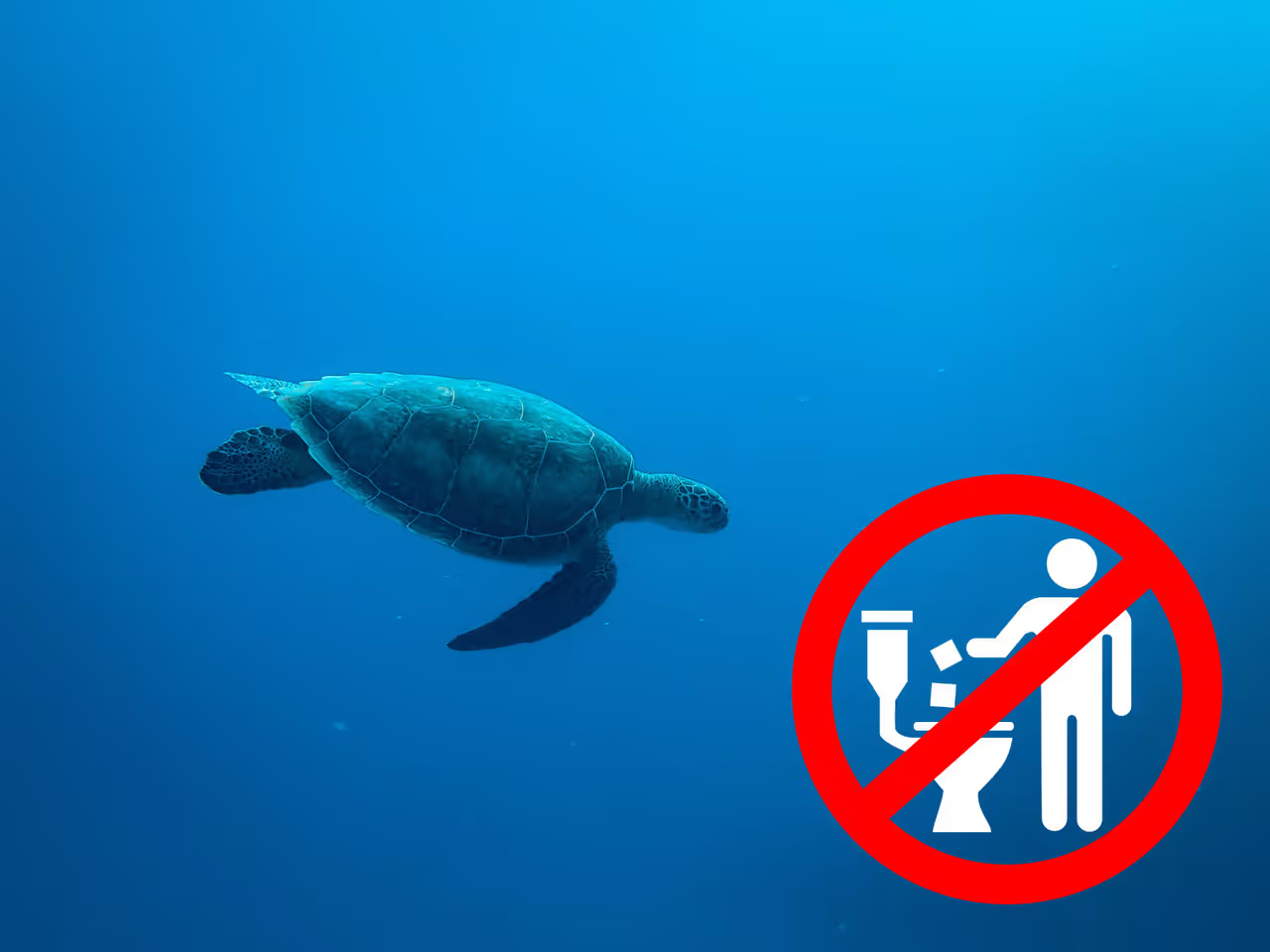
Advocacy for Sustainability in Nonwovens
The nonwovens industry has experienced rapid growth in recent years, with its versatile and cost-effective products finding widespread application in numerous sectors. However, with this growth comes a responsibility to address the environmental challenges associated with the production and disposal of nonwovens. Here at the David. E. James Consultancy we focus on the key issues surrounding sustainability in the nonwovens industry and are passionate about the importance of advocating for eco-friendly practices.
The David E. James Consultancy supports the Nonwovens Industry code of practice for labelling wet wipes packaging “Communicating Disposal Pathways for Single Use Nonwoven Wet Wipes to Protect Wastewater Systems”.

Nonwovens, particularly disposable ones, contribute to several environmental issues
Waste Generation and Disposal
The widespread use of disposable nonwovens results in significant landfill waste and can contribute to microplastic pollution, as synthetic fibres break down into smaller particles.
Resource Consumption
Nonwoven manufacturing processes often require substantial energy and water consumption, placing strain on natural resources and contributing to environmental degradation.
Greenhouse Gas Emissions
The production and transportation of nonwovens contribute to carbon emissions and other greenhouse gases, exacerbating climate change.
To minimise the environmental impact of nonwovens, sustainable alternatives are being developed
Biodegradable and Compostable Nonwovens
These materials, made from plant-based or biodegradable synthetic fibres, can decompose naturally, reducing landfill waste and microplastic pollution.
Recyclable and Reusable Nonwovens
Developing recyclable nonwovens and promoting reusable products can help conserve resources and reduce waste generation.
Renewable and Eco-Friendly Raw Materials
The use of sustainably sourced fibres, such as those from responsibly managed forests or recycled materials, can lower the environmental footprint of nonwovens.
Collaboration among stakeholders and standardisation efforts are crucial to promoting sustainability in the nonwovens industry
Sustainable industry initiatives and guidelines
Global nonwovens associations, partnerships, and certifications can help establish best practices and ensure adherence to sustainability standards. This is one of the key focus areas of the David. E. James Consultancy.
Government Policies and Regulations
Environmental protection laws and incentives for sustainable practices can drive the industry towards eco-friendly solutions.
Consumer Awareness and Demand
Education and marketing campaigns can inform consumers about the potential environmental impact of nonwovens and encourage the adoption of sustainable products.
Implementing environmentally friendly production techniques is essential to promoting sustainability in the nonwovens industry
Energy-Efficient Production
Adopting energy-saving technologies and using renewable energy sources can reduce the industry's carbon footprint.
Water Conservation and Management
Employing closed-loop water systems and wastewater treatment technologies can minimise water consumption and pollution.
Reduction of Chemical Usage
Exploring alternative bonding techniques and environmentally friendly treatments can decrease the reliance on potentially harmful chemicals in nonwoven production.
Strategies for Advocacy
- Advocacy efforts can play a significant role in promoting sustainability within the nonwovens industry
- Raising awareness and educating stakeholders with workshops, seminars, and online resources can inform industry participants and consumers about the importance of sustainability in nonwovens.
- Engaging with policymakers and regulators via lobbying and advocacy campaigns can influence the development and implementation of policies that promote eco-friendly practices.
- Collaborating with industry partners and organisations by networking, knowledge sharing, and joint research and development projects can foster innovation and the adoption of sustainable solutions.